Evidence on the role of women’s groups in improving maternal and child nutrition in South Asia
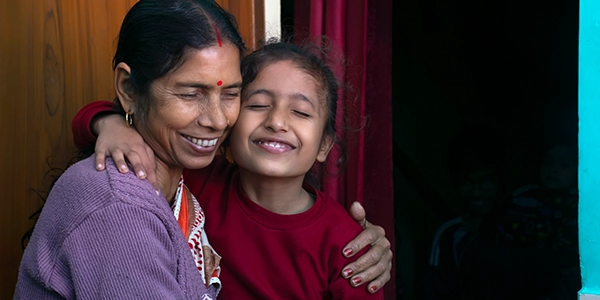
The project focussed on synthesising evidence on women’s movements in the South Asian countries and the pathways through which such movements have effect on women and child nutrition outcomes in the region. Afghanistan, Bangladesh, India, Nepal, Pakistan, and Sri Lanka were included in the study. First part of the study was a scoping review, to understand the landscape of interventions to improve nutrition, implemented in South Asia. This review built on the systematic reviews in the region by Desai et al (2020) and Kumar et al (2018). A total of 18 impact evaluations, process evaluations, scoping studies, qualitative studies, systematic reviews, and grey literature documents were included in the review. The second component of the study was a mapping exercise that identified current approaches and aspirations towards maternal and child nutrition and provide insights for future planning/ programming. Stakeholders including NGOs, Network Organizations, Academicians, Government representatives, Advocates, Feminist Experts were interviewed from each of the countries and a total of 27 such interactions were documented and synthesized. Findings from the study indicate that coalitions of women’s organisations and groups have immense potential that must be harnessed to improve nutrition across South Asia.