Board of Directors
Senior advisors on our Board of Directors are representative of the sectors we work in and advice the Population Council Institute’s overall strategy.

Senior advisors on our Board of Directors are representative of the sectors we work in and advice the Population Council Institute’s overall strategy.

Dr. Niranjan Saggurti, PhD, is a demographer, statistician and public health researcher with more than 20 years of experience in program and policy oriented research and evaluations. He specializes in sexual and reproductive health in India, and currently provides technical and strategic oversight to the Council’s research, evaluation and implementation science work.
Previously, Dr. Saggurti worked as a Senior Program Officer with the Measurement, Learning and Evaluation team at the Bill & Melinda Gates Foundation. Currently, he is on several core committees of the Indian government, including India FP2020, Ending PMTCT, RMNCAH Coalition; and is a technical advisor to a number of research-based nonprofits in New Delhi. Dr. Saggurti has published more than 150 papers in peer-reviewed journals, and has implemented numerous interventions, evaluated their effectiveness and sustainability.
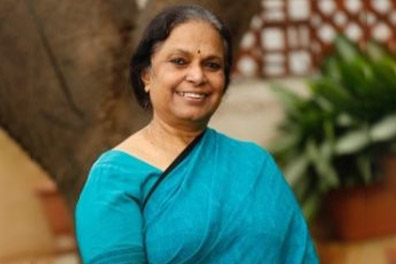
Ms. Sujatha Rao, is a former Union Secretary of the Ministry of Health and Family Welfare, Government of India. Ms. Rao has served as a civil servant for 36 years, out of which, she has spent two decades serving the health sector in different capacities the state and national level. Ms. Rao was Chairperson of the Portfolio Committee of the Global Fund for HIV/AIDS, TB and Malaria (GFATM) 2007-09; Member of the Global Advisory Panel of the Bill & Melinda Gates Foundation; Founding member of the Public Health Foundation of India; Member of the Advisory Board of the Ministerial Leadership Program of the Harvard School of Public Health and member of the High Level Panel on Global Risk Framework of the National Academy of Sciences, USA.
An MPA from Harvard University, USA 1991-92, she was a Takemi Fellow at the Harvard School of Public Health 2001-2002 and Gro Harlem Brundtland Senior Leadership Fellow at HSPH in 2012. She is the author of the book entitled ‘Do We Care? India’s Health System’.
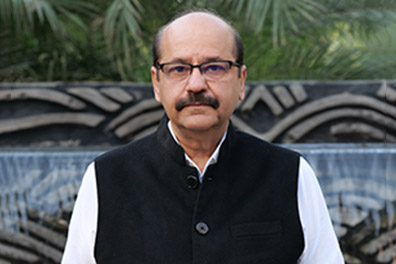
Anil Paul, a management graduate, is a result-oriented, seasoned corporate strategist and management professional. Paul has held senior management positions for over 30 years in the public and non-profit sectors. In addition to his board responsibilities, he serves as Director of Administration, Finance & Human Resources with Population Council, India. He has led the operations at the Population Council for over two decades and has provided leadership during major organizational changes and restructuring at the local level.

Dr. Sowmya Ramesh is an epidemiologist and public health researcher with more than 18 years of experience in maternal and neonatal health, nutrition, sanitation, environmental & occupational health, HIV, financial inclusion, and skill development. She has experience in conducting national and international quantitative and qualitative research studies and impact evaluations and implementing projects of national importance. Previously, Dr. Ramesh worked as Monitoring & Research Officer at United Nations Development Program (UNDP), India and served as a Moderator & Resource Person for UN Solution Exchange. Dr. Ramesh has authored and co-authored over 25 publications. Dr. Ramesh has a MPH degree in Epidemiology from Harvard School of Public Health and an MPH from Texas A & M University Health Science Center.
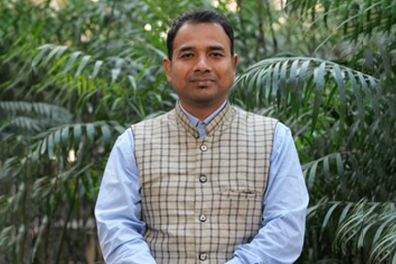
Dr. Patel is currently working as Deputy Director at Population Council Institute. Dr. Patel is a highly accomplished development, Monitoring, Evaluation, and Learning (MEL), and public health expert with a PhD in Population Studies, a master in Statistics and an MBA. With nearly two decades of experience, he has led high-impact initiatives in strategy, partnerships, organizational development, CSR, research, policy analysis, advocacy, and stakeholder engagement. His expertise spans a diverse range of sectors, including public health, population dynamics, Sustainable Development Goals (SDGs), gender and women’s empowerment, RMNCH+A, youth, aging, clean energy, climate change adaptation, disease burden, livelihoods, migration, and human-cantered design (HCD). He has worked extensively across India, South Asia, Central Asia, and Africa, driving evidence-based decision-making and policy influence.
Dr. Patel has a proven track record in capacity building, providing strategic and technical guidance to governments, NGOs, UN agencies, and academic institutions. He is highly skilled in designing and executing Randomized Controlled Trials (RCTs), quasi-experimental studies, and mixed-methods approaches for program monitoring and impact evaluation. Throughout his career, he has led and contributed to nearly 50 evaluation, research, advocacy, and communication projects, many of which have informed national and international policy frameworks. His work emphasizes translating research insights into actionable strategies through engagement with government bodies, think tanks, donor organizations, and international agencies. An accomplished researcher and thought leader, Dr. Patel has authored over 100 publications, including program evaluations, impact studies, and policy reports. He has played a pivotal role in supporting the Government of Haryana in implementing the National Rural Health Mission (NRHM) in collaboration with NHSRC, MoHFW, and NACO, GOI. His expertise extends to managing large-scale national projects, including UDAYA, the National Nutrition Survey, IBBS, Behavioral Tracking Surveys, the Global Adult Tobacco Survey – India, National Family Health Survey-3, NFHS-2 Follow-up Survey, and key initiatives under the Avahan Program, MGRN, DRE, SHWP, M-AFHC, SHG, and NRHM programs.
Beyond his national contributions, Dr. Sangram has extensive experience managing multi-country projects, working with international donors and partners across South Asia, the United States, Ethiopia, Kenya, Zambia, Malawi, Mexico, Kazakhstan, Kyrgyzstan, and Ecuador. His ability to navigate complex project landscapes and foster cross-sectoral collaboration enables him to drive sustainable development outcomes and maximize program impact in diverse global contexts.
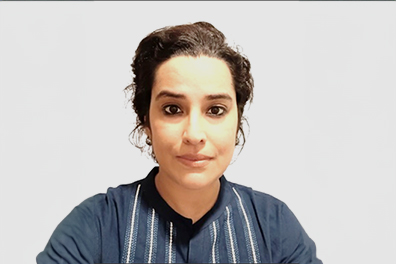
Roopal Jyoti Singh is a Senior Program Officer at the PC institute. She is a public health researcher with over 10 years of research experience. She has conducted mixed method studies, systematic reviews, evidence synthesis and Randomised Controlled trials and Quasi experimental evaluations in areas of maternal and child health, HIV, mental health, women’s health and women’s groups. Roopal has experience in handling and analyzing large datasets such as the National Family Health Surveys (NFHS) and National Statistical Survey Organization datasets (NSS) and has authored over 15 peer review publications and reports. Prior to joining the Population Council, she was at Institute of Economic Growth, University of Delhi.
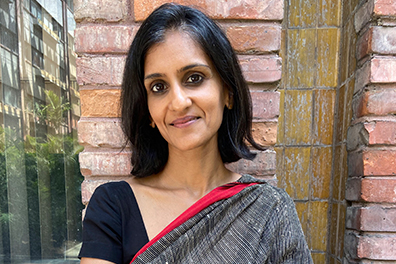
Dr Desai’s areas of expertise include women’s health, health systems and women’s groups. She provides technical leadership to PCI projects related to hysterectomy and women’s health through the life course; primary health care and universal health coverage; and implementation research on health systems. She holds a PhD in Epidemiology and Population Health from the London School of Hygiene and Tropical Medicine, MS in Population and International Health from Harvard University and AB from Brown University.

Patricia Dohtdong is a researcher working in broadly in the field of health and governance in northeast India. She has worked as an independent researcher and coordinator for multiple organizations within the State of Meghalaya. She is currently engaged as a Program Officer in the Population Council Institute and working on the “Evaluation of the State Capability Enhancement Project” as the State lead in Meghalaya.
Patricia holds an MPhil from Tata Institute of Social Sciences, Mumbai, where her dissertation was on transparency and accountability in local governments within the 6th Schedule of the Indian Constitution. She also holds an MA (Social Work) from TISS, Guwahati and a Master in Population Studies from IIPS, Mumbai. Her areas of interests include indigenous governance, political and health participation, and gender and sexual and reproductive health.
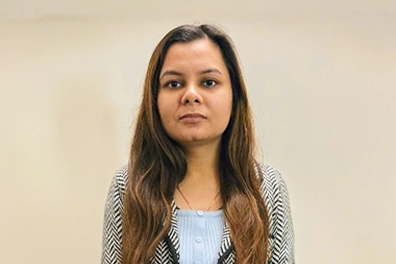
Mansi holds a bachelor’s degree in management and has over two years of experience in the HR domain, specializing in recruitment, employee relations, and administrative tasks. Her diverse experience across sectors has honed her ability to contribute effectively to office management and team coordination. As an HR Officer at the Population Council Institute, Mansi oversees talent acquisition, office operations, and fosters a positive work environment. She is also adept at handling logistical coordination, ensuring smooth day-to-day operations. With her proactive approach and strong problem-solving skills, Mansi is a valuable asset, driving team efficiency and enhancing employee satisfaction.
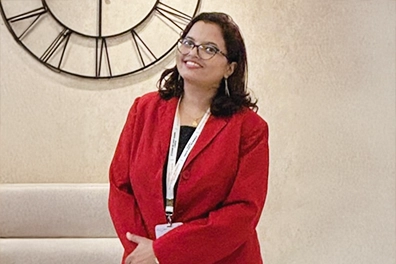
Dr. Bornali Dutta is a highly skilled Monitoring and Evaluation Expert with a robust background in impact evaluation, research design, and statistical analysis. She currently serves as the State Lead for the Million Girls Research Network in Assam at the Population Council Institute. Additionally, she plays a pivotal role in the National Tuberculosis Elimination Program in Assam, where she evaluates TB performance across districts and provides essential training to healthcare staff.
With a PhD in Population Studies and Demography and an MPhil in the same field, Dr. Dutta brings over a decade of experience in data management and research. Her expertise is underscored by numerous publications in peer-reviewed journals. Fluent in multiple languages, she excels in translating complex data insights into actionable strategies for diverse audiences.
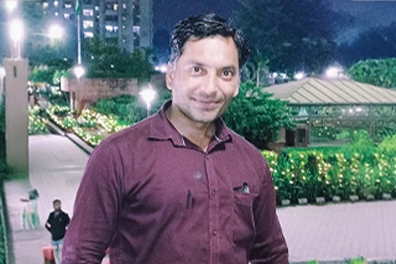
Vir Vikram Singh Kaushal is a highly experienced Field Supervisor with over 21 years in social research studies, adept at managing projects in challenging environments at the national level. Currently serving as the Field Supervisor for the Model Adolescent Friendly Health Clinic, he has contributed to several high-impact projects, including the District Level Household Survey (RCH Program) as a Health Supervisor, sponsored by MOHFW, New Delhi, and the Health Facility Survey as Health Coordinator, sponsored by USAID and MOHFW. He has also worked as State Coordinator for Opinion Polls (Economic Times), the Private Health Facility Survey (Future Group), and the NRHM Household Survey (MOHFW). His extensive expertise and dedication make him a vital asset in advancing public health initiatives.
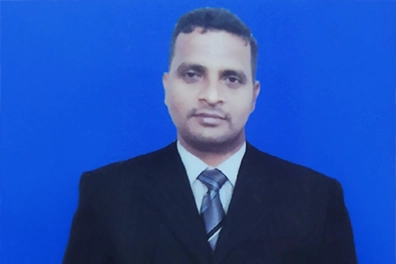
Madhusudan Patra is an experienced Field Supervisor currently serving at the Model Adolescent Friendly Health Clinic. With over eight years of professional experience, he has worked on diverse projects across health, livelihood, and social development sectors.
Madhusudan has collaborated with organizations such as IKONET, OPM, CTRAN, and CYSD, contributing to impactful initiatives like TB death assessment, social impact studies, and livelihood development programs. Fluent in English, Hindi, and Odia, he is skilled in field supervision, data collection, and engaging with communities, making him a vital contributor to development projects.
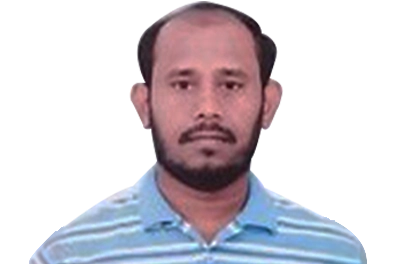
Dr Masthanaiah Tadapatri has served 15 years of experience in large scale health & social development survey expertise. He has Masters and specialization in Population Geography and Ph.D In Geography from Sri Krishnadevaraya University, Anantapur, Andhra Pradesh. And he has worked in various roles, including Demographer, Project Manager, Technical Writer, Consultant, and Research Officer, contributing to national-level surveys. His major focus areas include public health, nutrition, water and sanitation, women and child development, education, agriculture, rural development, and financial inclusion. He has been involved in baseline, midline, and endline studies, and evaluations of Farmer Producer Organizations (FPOs). Dr. Tadapatri has worked on projects across South Indian states and the Lakshadweep Islands, and has conducted multiple state-level trainings, enhancing capacity building efforts.
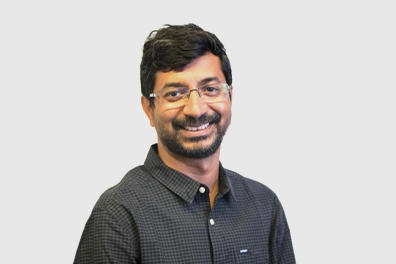
Dr. Rajib Acharya is a statistician, demographer, public health specialist, and policy advisor with more than two decades of experience in public health research, and planning, designing, managing, and monitoring large-scale studies. Dr. Acharya is an expert in designing and implementing large-scale sample surveys, longitudinal studies on population, health, and nutrition. He has been instrumental in designing, managing, and conducting several unique, first-ever national and sub-national studies in India. He also designed evaluation studies using various experimental and non-experimental designs and applied advanced statistical techniques to measure impact. Dr. Acharya has authored over 75 peer-reviewed journal articles, books and chapters, and scientific reports; and serves as reviewer of several international journals, including The Lancet, the Lancet Global Health, BMJ, Plos One, and BMC Women’s Health.
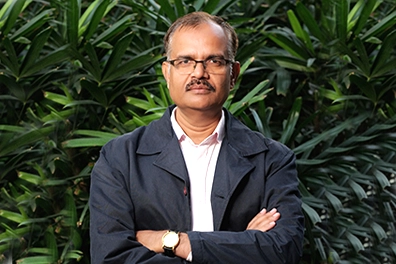
Dr. Nizamuddin Khan has a PhD in population studies from International Institute for Population Sciences (IIPS), Mumbai and two Master’s degrees in Statistics with Computer Programming, and Population Studies (MPS). His 20+ years of experience includes health program evaluations, operations research design, development of M&E systems for health interventions, and quantitative data analysis using SPSS and STATA. He has several years of experience coordinating the large-scale surveys, initially with the National Family Health Survey (NFHS) and District Level Household Surveys (DLHS), and recently leading the field implementation of Comprehensive National Nutrition Survey (CNNS) in India. He has several publications to his credit. He also worked with the World Bank, IIPS, Futures Group International in the past leading the implementation of research studies in the field.
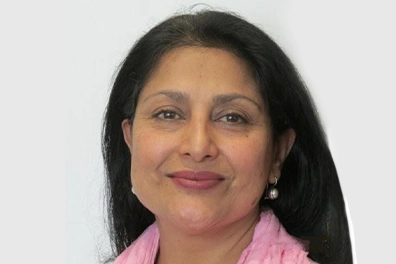
Dr. Avina Sarna history of working in the research industry and public health programs. Skilled in Nonprofit Organizations, Policy Analysis, Analytical Skills, Program Evaluation, and Reproductive Health. Strong community and social services professional with a Bachelor of Medicine, Bachelor of Surgery – MBBS focused in Medicine, Surgery, Gynecology & Obstetrics, Social & Preventive Medicine. from Government Medical College, Amritsar, India, a master’s in public health from George Washington University, Washington DC and PhD from the University of Ghent, Belgium.
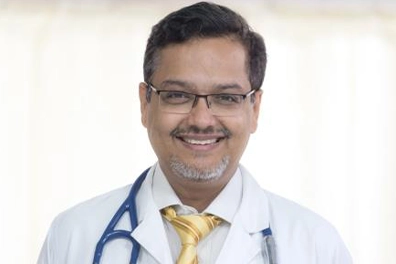
Dr. Jitender Nagpal is the HOD of Pediatrics at Sitaram Bhartia Institute of Science & Research in Qutub Institutional Area, Delhi. He has over 23 years of experience as a Pediatrician and is a widely acclaimed medical practitioner in his field. He acquires expertise in treating pediatric diseases as well as taking care of a child’s growth, health and development. He completed his MBBS from Maulana Azad College 1991 and MD- Pediatrics from the same institution in the year 2001. Dr Nagpal has been presented with multiple awards and recognitions in paper presentations and conferences for his knowledge and presentations. He was the recipient of the Satya Gupta Award of IAP (Indian Association of Pediatrics) for paper presentation in 2002 and the recipient of Pyare Lal Sharma Bishan Devi Gold Medal for “Best Thesis in Clinical Subjects in 2001”. He has published various papers in national and international journals, like BJOG: An International Journal of Obstetrics & Gynecology and World Journal of Gastroenterology. He is also a part of esteemed associations such as Indian Medical Association and Delhi Medical Association.
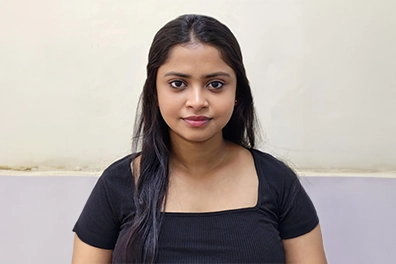
I had the privilege of interning at the Population Council Institute from April 1st to May 31st, 2024, working on the E-Saathi Project. This enriching experience greatly contributed to my academic and professional growth.
During my time, I conducted literature reviews on maternal health, digital health interventions, and Respectful Maternity Care (RMC), which deepened my understanding of key challenges. I also drafted the background section of the E-Saathi protocol paper, highlighting the need for digital health in maternal care.
With the guidance of Dr. Sowmya Ramesh, I gained invaluable insights, solidifying my commitment to maternal health. This experience has equipped me with skills and knowledge that will support my future goals. I am deeply grateful to the Population Council Institute for this opportunity.
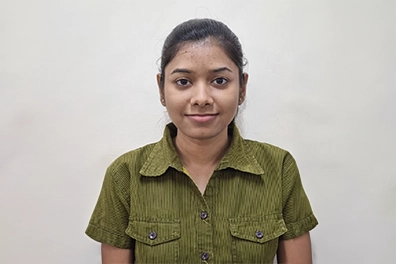
My internship journey at PCI was full of learnings. I’ve always wanted to use my skills in an organization with a global impact, and PCI provided me with the platform to apply my theoretical knowledge on real situations.This internship provided me with an amazing exposure to the field of research from developing research questions to interpreting results. Throughout the tenure I gained deeper insights of qualitative and quantitative research methods. I believe this internship has not only helped me grow at an individual level but as a professional also. Under the guidance of esteemed mentors, I got better understanding and right direction to proceed with a research work. Not just in terms of knowledge, but also in confidence and determination. Dr. Sangram sir is an excellent mentor who provided me with guidance and support throughout the internship. The team was always available to answer my questions and encouraged me to think critically about the research. Other things that I value most about my internship at PCI include, the nice and supportive working environment and a commitment to providing an excellent service to the communities. I also got the opportunity to attend the workshops and seminars organized by PCI which helped me learn and gain knowledge about different softwares and skills. I am really grateful for the opportunity to become a part of the PCI team and contribute my efforts towards projects aimed at bringing a change in society. Overall, it was truely a transformative journey for me.

I’m Pratham Nijhawan, pursuing an MSc in Economics and Analytics at CHRIST (Deemed to be University), Delhi NCR. My internship at the Population Council Institute (PCI) was a transformative and enriching experience that exceeded all my expectations.
Under the mentorship of Dr. Sangram K. Patel, I joined a network of dedicated researchers addressing global health, development, and environmental challenges. I worked on key projects, including school bullying, aquaculture transformation, and women’s labor force participation, with each task feeling impactful and meaningful.
The inclusive and collaborative environment at PCI fostered a strong sense of community. I valued the chance to collaborate with professionals from diverse backgrounds. The guidance from Dr. Patel and insights from Amritjeet Roy on research processes significantly contributed to my growth.
Reflecting on my time at PCI, I am grateful for the knowledge and connections gained. This internship has not only prepared me for a career in the development sector but also inspired me to make a meaningful difference in the world.
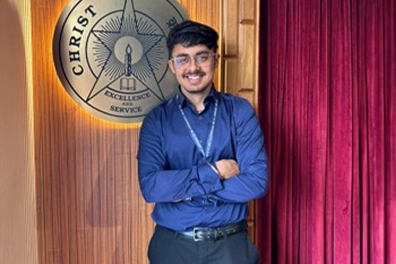
I’m Vineet Ramnani, currently pursuing an MSc in Economics and Analytics at CHRIST (Deemed to be University), Delhi NCR. My internship at the Population Council Institute (PCI) was an incredibly enriching experience that exceeded all expectations. Under the mentorship of Dr. Sangram K. Patel, I joined a network of dedicated researchers tackling global health, development, and environmental issues.
During my internship, I worked on significant projects such as school bullying, aquaculture transformation, and women in the labor force. Each task, from data collection to analysis, felt purposeful and impactful. I also gained valuable insights from Amritjeet Roy on questionnaire processes and research improvements.
PCI’s inclusive and collaborative environment fostered a strong sense of community and allowed me to work with diverse professionals. I am deeply grateful for the knowledge and connections gained during this internship, which have inspired me to drive positive change in the development sector.
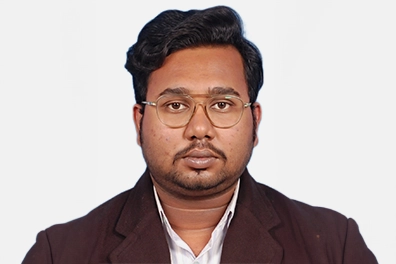
I’m Amitrajit Roy, currently pursuing an MSc in Economics and Analytics from CHRIST (Deemed to be University), Delhi NCR. Interning at the Population Council Institute (PCI) was an enriching and transformative experience. I had the opportunity to work on impactful projects like SHWP and Aquaculture Transformation, contributing to the Council’s mission. Whether conducting research or analyzing data, every task felt purposeful.
A highlight was the mentorship from experts like Dr. Sangram K. Patel, whose guidance helped me navigate population and health research while pushing my capabilities. The inclusive and collaborative environment at PCI fostered a sense of belonging and allowed me to learn from diverse professionals.
This experience has equipped me with valuable skills and a deep commitment to effecting positive change in the development sector. I am grateful for the opportunity and the lessons learned, which will shape my future career.